
B.A. (Psych) Grad. Dip. (Psych) M.C. (Psych) Grad. Dip. Sc. (ClinPsych) MAPS
Click the Instagram icon below, for Mullum Road Psychology
@mullum_rd_psychology
Leanne Winter
Clinical Psychologist
Leanne Winter – Senior Clinical Psychologist
Owner and Director of Mullum Road Clinic
Pronouns: She/Her
Leanne is a member of the APS College of Clinical Psychologists (CCLIN) and a Clinical Psychologist Medicare Provider. Leanne Winter is also a qualified Clinical Supervisor for the Psychology Board of Australia (PsyBA) and is registered with the Australian Health Practitioner Regulation Agency (AHPRA).
Leanne has been a registered Clinical Psychologist since 2005 and has completed a Bachelor of Arts in Psychology, Graduate Diploma in Educational Psychology, Master of Counselling Psychology, and a Graduate Diploma in Science – (Clinical Psychology). In a previous career, Leanne worked as a teacher of the Deaf, having completed a Diploma in Teaching, Graduate Diploma in Special Education (Hearing Impairment) and a Master of Special Education.
Empowering neurodivergent Individuals
Leanne enjoys working with neurodivergent individuals, including those identifying as autistic (young adults and adults), as having attention deficit hyperactivity disorder (ADHD) and those living with an invisible disability. Historically, neurodivergent adults have been misdiagnosed and overlooked. The incorrect diagnosis has the potential to lead to the incorrect psychological intervention and poor understanding of the challenges neuro divergent individuals may face.
Leanne’s personal experience, such as identifying as Neuro Divergent (Audhd) and having many neurodivergent family members, contributes to Leanne’s deep understanding of neurodivergence and passion to support neurodivergent individuals.
Therapeutic Approaches
Leanne focuses on incorporating experiential therapies into her work. Leanne has a deep passion for guiding individuals toward emotional well-being and personal growth, integrating innovative and interactive therapeutic approaches tailored to each client’s unique needs.
When most people think of therapy, talk therapy generally comes to mind. Experiential therapy on the other hand, like the name suggests, is a form of therapy that involves immersing yourself in a certain experience. Experiential therapy is distinguished by its emphasis on action. Action is important because when a person is bodily engaged, they have access to psychological elements they may not have access to otherwise. Action can also be a precursor to change—by acting in a new way, a person may be supported to think in new ways.
As such, Leanne’s practice focuses on experiential therapies, which emphasize hands-on, action-oriented activities to help clients explore and find resolutions to difficulties brought to therapy. These methods are particularly effective in accessing and expressing emotions, building self-awareness, and fostering meaningful change.
Leanne has training and certifications in the following modalities:
Gestalt Therapy:
Gestalt Therapy focuses on the present moment and the client’s experience in the “here and now.” By emphasizing personal responsibility and self-awareness, this approach helps clients gain insight into their behaviours, thoughts, and feelings, fostering a deeper understanding of themselves and their relationships.
Sand Tray Therapy:
Sand Tray Therapy allows clients to express and explore their inner world using miniature figures and a sandbox. This non-verbal, creative approach provides a safe space for clients to visualize and process their emotions and experiences, leading to profound insights and healing. Sand Play Therapy utilizes the symbolic use of sand and figures to facilitate healing. This approach is deeply rooted in Jungian psychology and allows clients to access the unconscious mind, bringing hidden emotions and experiences to the surface for processing and integration.
Animal-Assisted Therapy:
Incorporating the therapeutic presence of animals, Animal-Assisted Therapy enhances the therapeutic experience by promoting relaxation, reducing anxiety, and encouraging emotional expression. Interacting with animals can help build trust, empathy, and connection, making it easier for clients to engage in the therapeutic process.
Equine-Assisted Therapy:
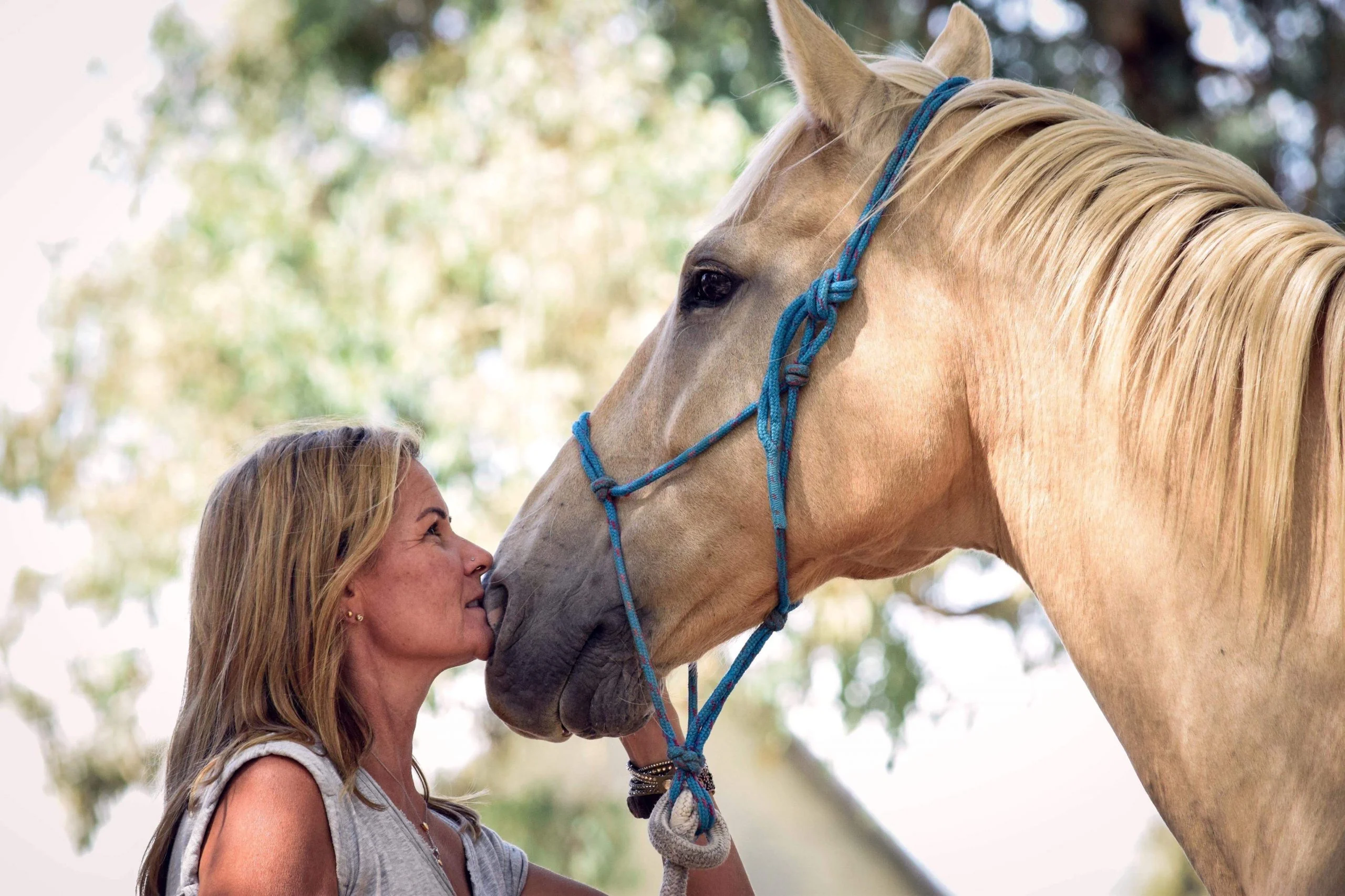
Equine-Assisted Therapy involves working with horses to address therapeutic goals. Horses, with their keen sensitivity to human emotions, provide immediate feedback and mirror clients’ feelings and behaviours. This interactive experience fosters self-awareness, emotional regulation, and personal growth.
Somatic Experiencing:
Somatic Experiencing is a body-cantered approach to healing trauma and stress-related disorders. By focusing on the body’s sensations and physical responses, clients can release stored tension and trauma. This method helps restore the body’s natural ability to self-regulate and promotes a sense of safety and empowerment.
Leanne believes in the transformative power of experiential therapies and the importance of creating a safe, supportive, and non-judgmental environment for her clients. By engaging in these dynamic therapeutic activities, clients can work through trauma stored in the body, gain new perspectives, and develop effective coping strategies.
Leanne also has an interest in disordered eating. Leanne completed training with Eating Disorders Victoria (EDV) and focuses on supporting neurodivergent clients identified as having disordered eating. Leanne has also completed training in Avoidant Restrictive Food Intake Disorder (ARFID).
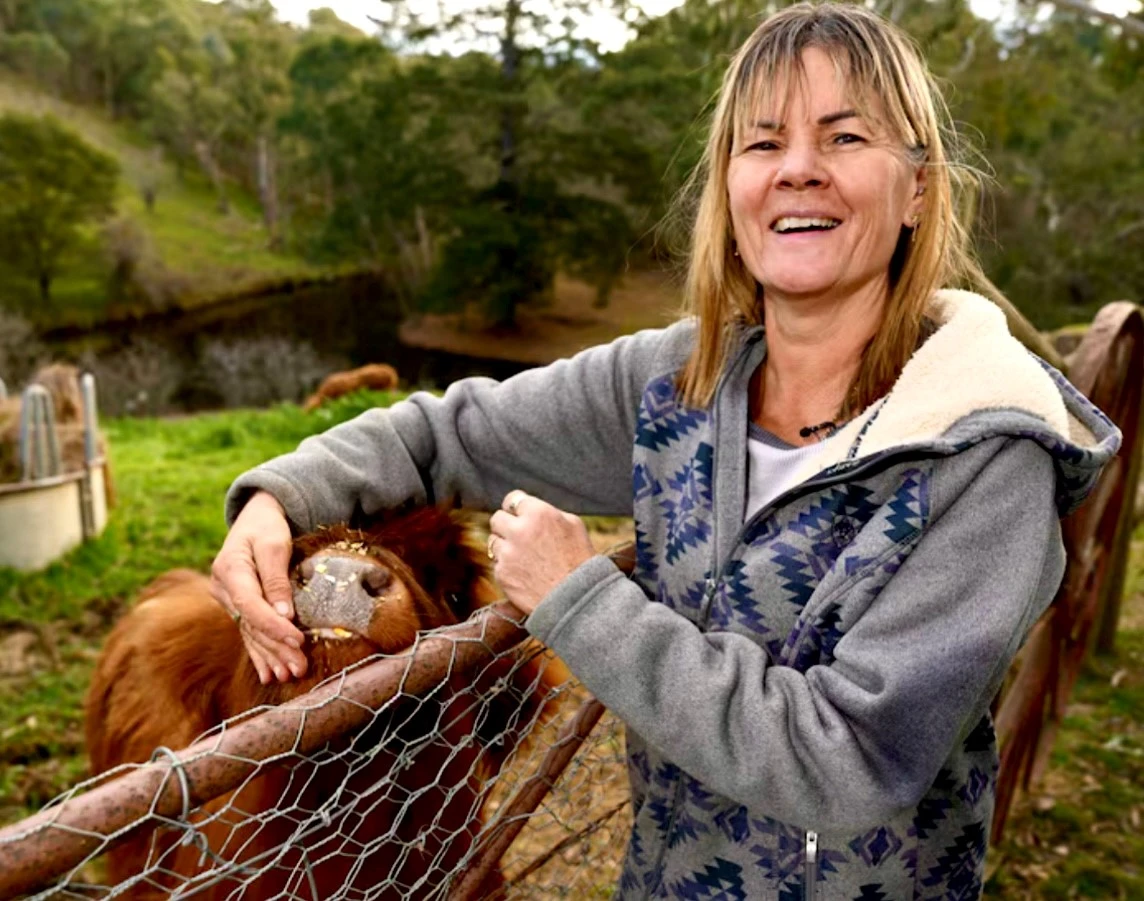

In 2017, Leanne has completed extensive training with the Equine Psychotherapy Institute in Daylesford to qualify as an Equine Assisted Psychotherapist. Leanne continues to offer Equine Assisted Therapy and has several horses, ponies and miniature donkeys on her farm. Additional farm animals, such as goats, alpacas, cats, miniature Scottish Highland cows, guinea pigs and chickens are also incorporated into Animal Assisted therapy at the farm. The Therapy Farm is approximately 20 minutes from Eltham and Warrandyte.
Client Groups
- Older Adolescents
- Adults
Therapy Specialties
- ADHD Coaching
- Cognitive Behavioural Therapy (CBT)
- Comprehensive Behavioural Intervention for Tics Therapy (CBIT)
- Interpersonal Psychotherapy (IPT)
- Mindfulness-based Cognitive Therapy (MBCT)
- Animal Assisted Therapy (AAT)
- Sand Tray Therapy
- Gestalt Therapy
- Somatic Experiencing
- CBT for Eating Disorders and Avoidant Restrictive Food Intake Disorder (ARFID)
Service Specialties
- Neurodivergence
- Attention Deficit Hyperactivity Disorders (ADHD)
- Living with a Disability
- Depression
- Anxiety & Phobias
- Learning Difficulties
- Social Phobia/Anxiety
- Eating Disorders
- Bullying
- Trauma
- Parenting Strategies
- Carer Support